
SHARON's BOARD


In the movie "How to Train Your Dragon," one of the most scary dragons -- known as the Monstrous Nightmare -- is known for setting itself on fire and swallowing people whole. Scary, right? There are many stories like this.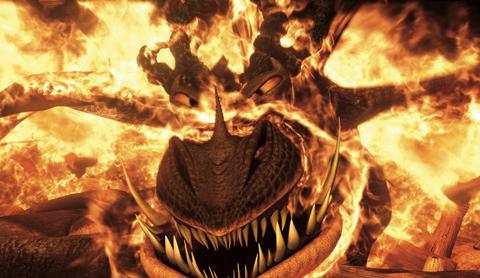
Egyptians believed the dragon god Apepi ruled the underworld. In the Bible, a seven-headed dragon symbolized crime. Some Eastern countries associated dragons with power and self-preservation. In the West, dragons were believed to be dangerous creatures known for eating entire herds of cattle and sheep, as well as the occasional villager. Dragons were such popular villains that they were inserted into modern artwork and stories, a practice fueled by stories of dragon sightings.
An Italian painting completed around 1340 depicts a chained dragon in the city of Rome. In 1366, the book "Travels" chronicled the journey of a knight and references a number of dragon sightings. The novel English classic "Beowulf," written around 1000, has a dragon named Grendel.

There's also been some controversy about whether dragons could have actually existed as descendants of dinosaurs. It's easy to see why the two could get mixed up, what with their shared lizard qualities, even in the absence of proof. Some believe the world's largest lizard, the Komodo dragon, is a descendant of dinosaurs -- and possibly dragons. Komodo dragons can grow up to 3 meters in length. Although they don't breathe fire, they do have destructive tendencies, like attacking animals and humans with their sharp teeth and claws.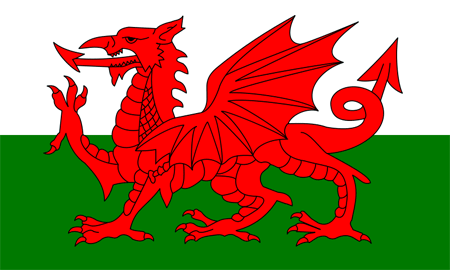
Actual fire-breathing dragons may not be spotted with the same kind of frequency anymore, but they still have a role to play as symbols and myths. A dragon currently appears on the Prince of Wales' coat of arms and on the Welsh flag, where it symbolizes the military battles fought while the area was under Roman rule.
Source: http://science.howstuffworks.com/science-vs-myth/strange-creatures/dragon2.htm
